

University study shows EPL betting ad ban having little impact

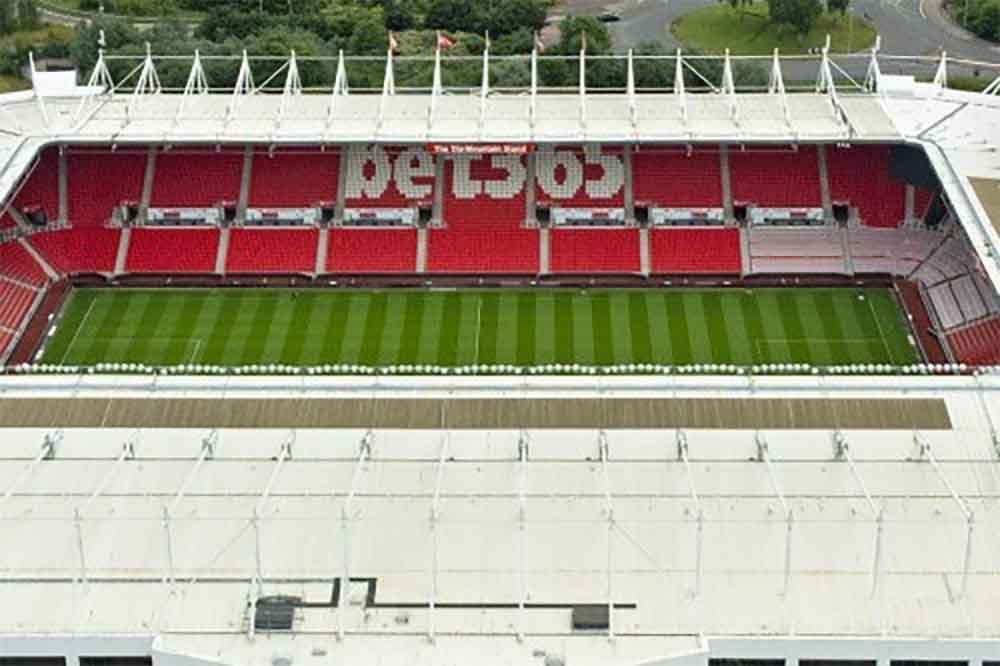
A new University of Bristol study has found that gambling advertising remained widespread during the opening weekend of the English Premier League season, despite the introduction of a voluntary ban on front-of-shirt betting sponsorships.
Researchers recorded 15,571 gambling-related messages across television, radio and social media coverage during the opening weekend of the 2026/27 campaign.
MORE: Top UK betting sites
The study estimated that removing gambling branding from the front of players’ shirts contributed to a reduction of just 10.5% in gambling messages during live matches.
Researchers found that advertising remained highly visible elsewhere, particularly on pitchside boards, shirt sleeves and training equipment.
Pitchside advertising accounted for approximately 72% of gambling messages recorded during live matches, while gambling branding on sleeves and training kits increased by 362% compared with previous years.
Across seven televised matches, researchers counted 11,205 gambling messages.
At least one gambling message was visible for a combined five hours and 16 minutes, equivalent to almost one-fifth of the broadcast time examined.
The Newcastle United versus Liverpool fixture generated the highest exposure, with 2,702 messages recorded during coverage.
Dr Raffaello Rossi, who led the research, questioned whether voluntary industry measures had achieved their intended effect.
“This cannot be presented as a success for self-regulation,” Rossi said.
The Premier League’s voluntary front-of-shirt sponsorship ban took effect this season following an agreement announced in 2023.
Although the restriction successfully removed gambling logos from the most prominent position on playing shirts, the research suggests that much of the remaining advertising exposure has shifted to other commercial spaces.
The findings, presented to Parliament on October 21, are likely to intensify pressure for broader restrictions on gambling sponsorship and advertising during televised football.
