

Utah accuses prediction market Kalshi of unlawful gambling

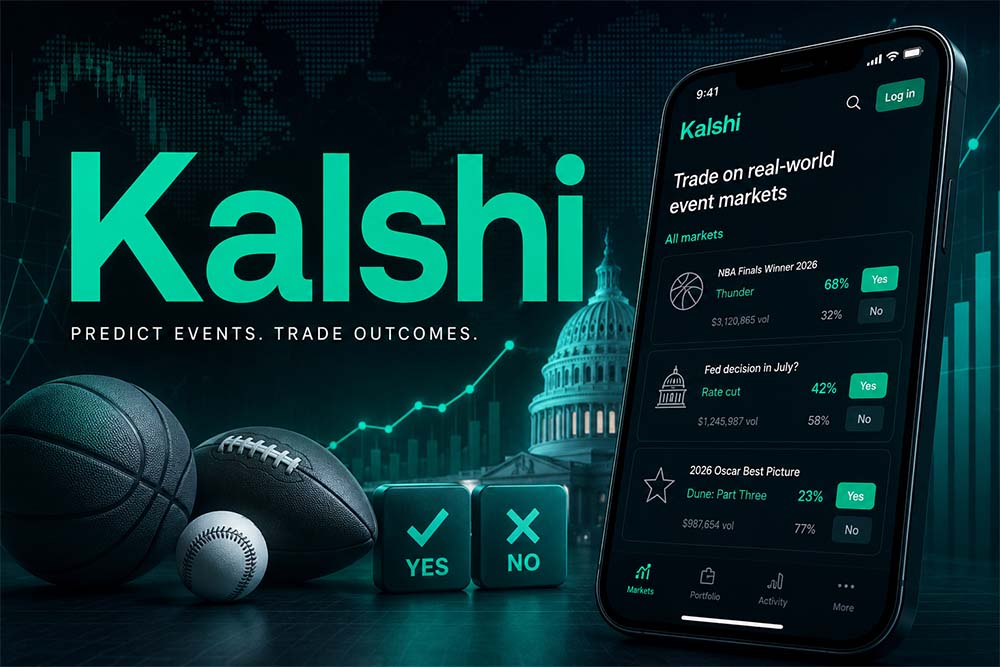
Utah has filed a lawsuit against prediction-market operator Kalshi, seeking to prevent the company from accepting wagers from state residents and recover as much as US$61.2 million in fees allegedly generated through unlawful gambling.
Attorney General Derek Brown announced the action on October 20, accusing Kalshi and several affiliated companies of operating a betting business in violation of Utah’s prohibition on gambling.
MORE: Gambling in the USA
The lawsuit also names two firms associated with Susquehanna, a major trading group involved in providing liquidity to prediction markets.
Utah argues that Kalshi’s event contracts are effectively gambling products, regardless of their classification as federally regulated financial derivatives.
The complaint estimates that more than 32,000 verified Utah customers have used Kalshi and that accounts associated with the state have generated more than US$3 billion in wagers over the platform’s lifetime.
Based on its calculations, the state estimates Kalshi earned between US$30.6 million and US$61.2 million in fees from those transactions. Those figures are allegations rather than independently established financial results.
Brown said Utah’s longstanding prohibition on gambling applies to digital platforms as well as traditional betting sites.
“Utah has said no to gambling since statehood in 1896,” Brown said.
Kalshi disputes the state’s interpretation, arguing that its activities fall under federal commodities law rather than state gambling regulation.
A company spokesperson said Kalshi operates as a federally regulated exchange overseen by the Commodity Futures Trading Commission.
The latest lawsuit follows earlier federal proceedings in which Kalshi unsuccessfully sought an injunction preventing Utah from enforcing its gambling restrictions. The company has appealed that decision.
Utah is seeking court-ordered restrictions, financial restitution and the recovery of allegedly unlawful profits.
The dispute adds to a growing series of legal challenges testing whether sports and other event contracts offered by prediction markets should be regulated as gambling.
