

British Labour MPs demand more tax on high stakes slots

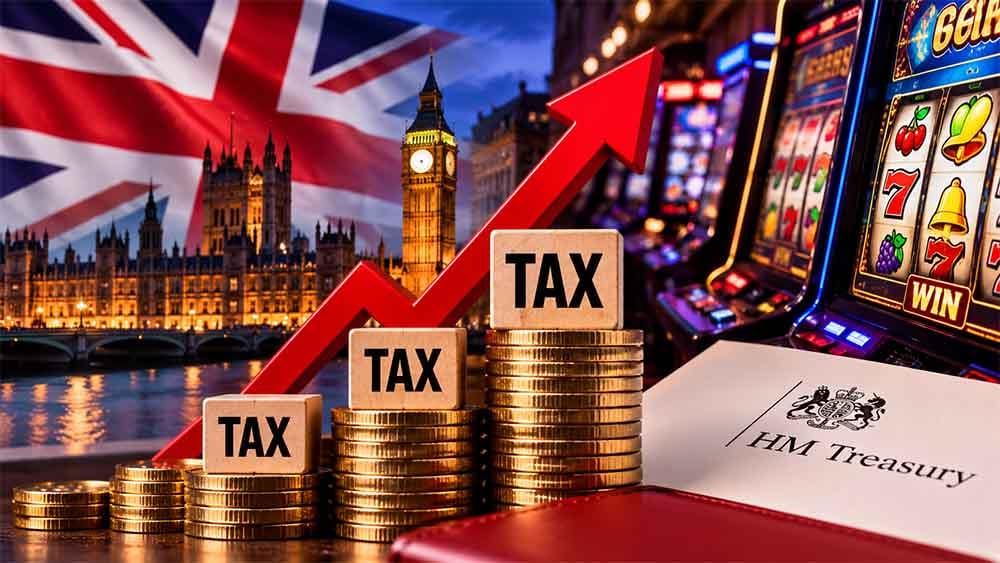
Ninety British Labour MPs have called on the government to increase taxes on high-stakes gambling machines, intensifying pressure on the Treasury ahead of the United Kingdom’s Autumn Budget on October 28.
The MPs have signed a letter to Chancellor John Healey urging an increase in Machine Games Duty, which is currently charged at 20%.
The letter was organised by Alex Ballinger, Labour MP for Halesowen and co-chair of the All-Party Parliamentary Group for Gambling Reform.
It has been supported by 89 other Labour MPs, although none of the signatories are cabinet ministers.
The proposal primarily targets Category B gambling machines found in adult gaming centres, betting shops and some casinos and bingo venues.
Campaigners have argued that the proliferation of high-stakes gambling machines in high-street premises has contributed to gambling-related harm, particularly in economically disadvantaged communities.
Ballinger said gambling companies should contribute more towards addressing the social costs associated with their businesses.
“Gambling companies should not be allowed to pocket the profits while families and communities pick up the bill,” he said.
The letter refers to research by the Social Market Foundation proposing that Machine Games Duty be doubled from 20% to 40%.
According to the think tank’s estimates, such an increase could generate between £275 million and £458 million in additional annual tax revenue.
However, the MPs’ formal request does not specify that the government must adopt the full 40% rate.
The proposal has drawn strong opposition from UK gambling industry representatives, who warn that higher taxes could force betting shops, casinos and gaming centres to close.
The Betting and Gaming Council argues that increasing the tax burden would threaten employment and reduce investment in Britain’s gambling and hospitality sectors.
Industry-backed modelling suggests that doubling Machine Games Duty could result in approximately 16,000 job losses, the closure of nearly 1,500 betting shops and 34 casinos.
The amusement and gaming machine trade association Bacta has also warned that the proposed changes could have serious consequences for seaside amusement businesses.
Supporters of the tax increase dispute the industry’s projections and argue that gambling operators should make a greater financial contribution towards addressing gambling-related harm.
The debate has intensified following reports that Betfred’s owners received a £30 million dividend before warning that higher gambling taxes could lead to job losses and betting shop closures.
The government has not confirmed whether Machine Games Duty will increase, with a final decision expected when the Chancellor presents the Autumn Budget on October 28.
